

What is the Best Swimsuit Color for Visibility? A Guide to Swimwear Safety
A bright swimsuit does more than look fun—it could save your child’s life. When an emergency strikes, the color of your child’s swimwear can impact how quickly they can be seen and rescued.
In this article, we’ll explore the best swimsuit color for visibility and how swimwear safety is influenced by color choices. You’ll learn which shades perform best in pools, lakes, and on beaches, and what every parent should know to make more informed swimwear decisions. You’ll also learn other simple safety measures that can reduce the risk of drowning and help you feel more confident while your children are in the water.
If your family has been impacted by a water-related accident and you have questions about your legal options, contact Carter Mario Injury Lawyers. We’re here to protect your loved ones and hold negligent parties accountable.
How to Identify Safe Swimsuit Colors for Your Family
The color of your child’s swimsuit directly impacts their visibility in the water, particularly during emergencies. Choosing safe swimsuit colors like neon yellow, green, and orange creates a strong contrast against the water’s surface and pool bottoms, making children much easier to spot.
On the other hand, darker colors and muted tones can blend in, delaying response times when every second counts in drowning prevention.
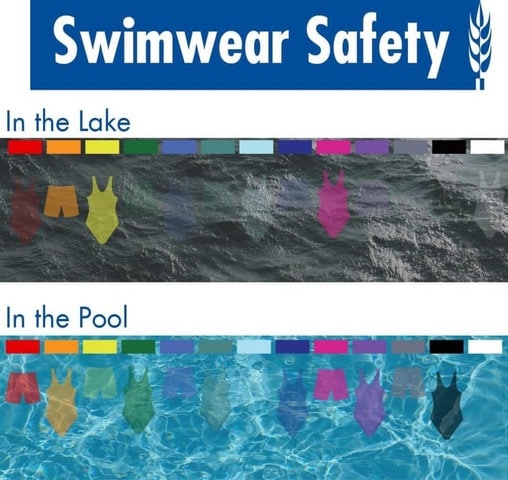
Color Visibility Breakdown: The Best Swimsuit Colors for Kids
When it comes to visibility in water, choosing the best swimsuit colors for kids can make a lifesaving difference. Some swimsuit shades stand out immediately, whereas others can blend in beneath the surface, putting children at a greater risk of going unnoticed in an emergency.
High-Visibility Colors
These colors provide the highest contrast and are considered the safest options for swimwear:
- Neon yellow
- Neon green
- Bright orange
- Fluorescent pink (especially effective in pools)
- Bright red (better in clear water)
Low-Visibility Colors
These colors blend into the water, pool floor, or natural surroundings, and are much harder to spot:
- Light blue
- White
- Gray
- Black
- Navy blue
- Dark green
- Pastels and muted tones
Swimwear Safety Tips for Parents and Swimmers
While dressing your children in safe swimsuit colors is an excellent first step, even the brightest swimwear can’t replace active supervision and smart safety habits. Here are a few simple tips to keep your kids safe in and around the water:
- Always keep young children within arm’s reach while they swim
- Choose bright, solid-colored swimsuits for better visibility
- Avoid busy patterns or dark colors that can blend into the water
- Enroll your child in age-appropriate swim lessons
- Teach kids never to swim alone—even strong swimmers need a buddy
- Use Coast Guard-approved life jackets in lakes, oceans, or when boating
- Stay off your phone while supervising swimmers
- Keep a first aid kit and flotation device nearby
Additional Water Safety Practices At The Pool, Lake & Beach
Different swimming environments come with varying risks, but the goal remains the same: keeping kids safe and visible. Whether you’re at a backyard pool, a busy beach, or a quiet lake, these safety practices can help you prevent accidents:
- Designate a “Water Watcher” to stay focused on swimmers at all times
- Set clear swimming boundaries based on age and skill level
- Use brightly colored towels, toys, and gear to mark your spot and stay visible
- Don’t use inflatable floaties as a replacement for life jackets
- Check water depth and look for drop-offs, rocks, or strong currents
- Teach kids to stay away from pool drains, jets, and suction outlets
- At the beach, always swim near a lifeguard and watch for warning flags
- In lakes, choose swimming areas with good visibility and limited boat traffic
- Take regular headcounts, especially in large groups or public spaces
5 Misconceptions About the Best Color Swimsuit for Pool Safety
Even well-intentioned parents sometimes fall for myths about what the best color swimsuit for pool safety actually is, which can unintentionally compromise their child’s safety. Here are some of the most common misconceptions:
- “Darker colors are easier to see.” In reality, dark colors can vanish below the surface, especially in lakes or deep pools.
- “Patterns make swimsuits more visible.” Busy designs can blur in moving water, so solid neon colors work better.
- “White or light-colored suits are safe because they reflect light.” These shades often blend in with pool surfaces and reflections of sunlight.
- “Supervision isn’t as important with strong swimmers.” Even experienced kids can get tired, caught, or injured.
- “Bright suits are only needed at the beach or lake.” Visibility matters just as much in pools, especially when they’re crowded.
Water Safety Starts With Swimwear Color – Protect Your Children From Accidents
Choosing the best swimsuit colors for kids may seem like a minor detail, but it plays a significant role in your child’s water safety. Bright, high-visibility colors make it easier to spot a swimmer in distress and prevent serious accidents.
If your child has been injured in a swimming-related incident, Carter Mario Injury Lawyers are here to help. Contact us today to speak with a personal injury attorney who will fight for your family and help you understand your legal options.